


How MPG Brought Proprietary C++, Core Engine and Graphics Expertise to Bethesda Game Studios

When Bethesda Game Studios needed co-dev support for their first new IP in 25 years -Starfield - MPG stepped in as a trusted partner. Working closely with the Bethesda team, MPG provided critical engineering and graphics support to help bring this highly anticipated, space-themed RPG to life. From rendering and system enhancements to performance optimisation, we were instrumental in ensuring Starfield reached lift off.
“But Starfield isn’t a multiplayer game!”, we hear you cry. That’s right - while Multiplayer games are what we’re famous for, we also know a thing or two about single player game development, and we were, of course, more than happy to help on this awesome title.
"Starfield's combat is excellent, and the options available to you vary greatly with your choice of weapons and skills."
— Gideon's Gaming
With a vast universe of over 1,000 planets to explore and technical backing from NASA, Starfield required advanced technical capabilities to make sure it met player expectations.
MPG and Bethesda already had a great relationship under their belt, having worked together on popular franchises, including Fallout 76. So, when the publisher needed additional support with the game’s development, we were already familiar with working within their proprietary technology. At MPG, we’re known for having the expertise to nail tricky, difficult tasks with skills that are hard to find. In this case, there were a few challenges at hand to address:
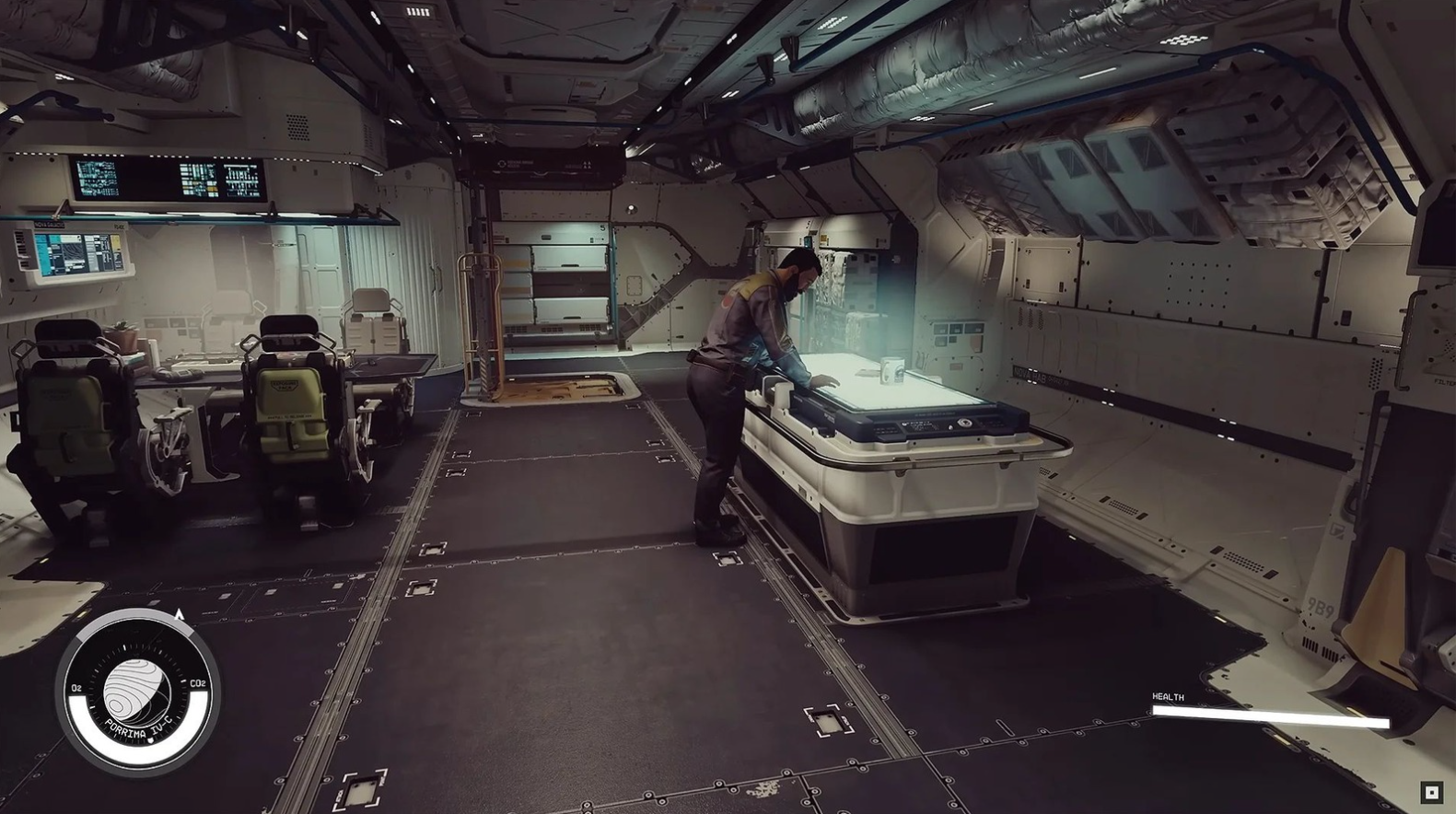
Firstly, we brought in a number of proprietary engine experts to help implement a new DirectX12 rendering pipeline. This in itself was no mean feat - finding engineers with proprietary C++ engine skills is complex and hard to do, but our team is full of very experienced developers who truly know their stuff.
Bethesda uses a version of their proprietary technology called Creation Engine 2. This was originally developed for big, open world RPGs. Whilst this tailor-made solution is great for building the IP Bethesda is typically famous for, it isn’t something most Co-Developers can just pick up - it takes a team of very experienced folks like ours.

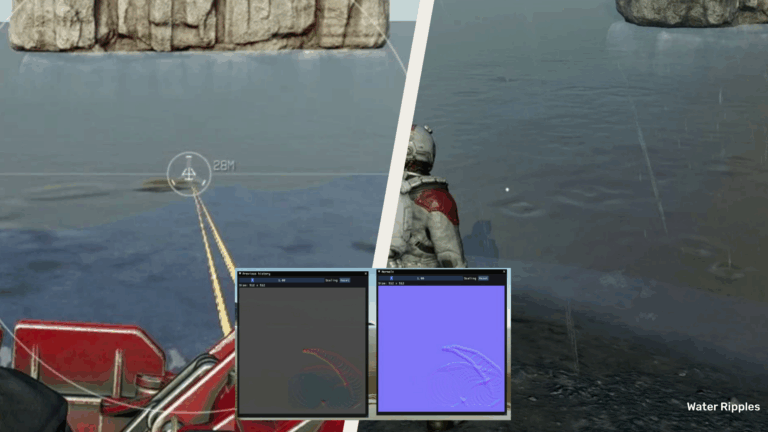
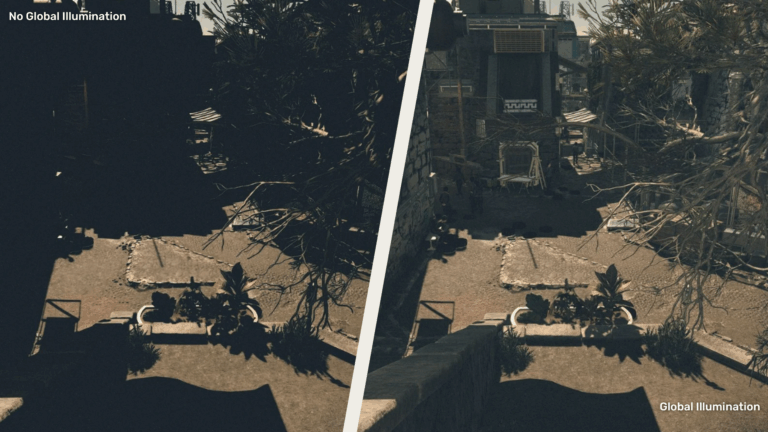
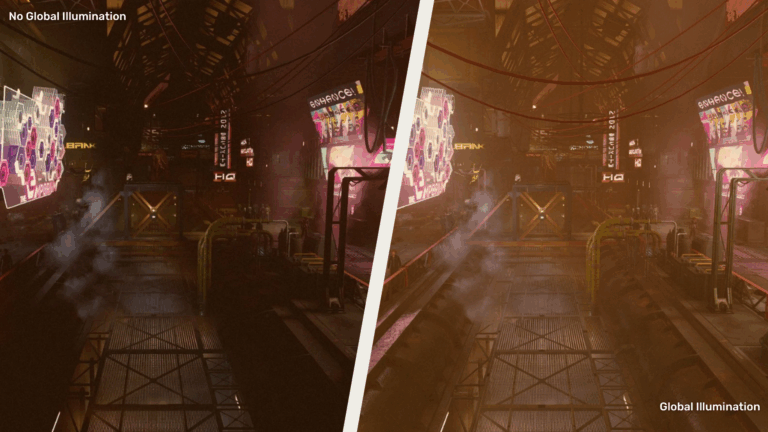
MPG was instrumental in the implementation of a new rendering engine pipeline to support the latest DirectX12 rendering standard for Microsoft PC and Xbox Series S and X. In particular, MPG handled many of the optimisation challenges of Xbox Series S and X with custom improvements for performance on the lower-end Series S console. We tackled a number of key rendering features including volumetric fog, water ripples, reflection probes, global Illumination and shadow quality. Each of these rendering features involved a lot of improvements, which enabled the game to have much richer environments with a high number of objects. For example, when improving the quality of shadows, we explored performance enhancing solutions, such as optimising dynamic vs. static shadow map handling. We also added dynamic resolution, support for AMD's FSR3, Nvidia's DLSS, and frame generation.
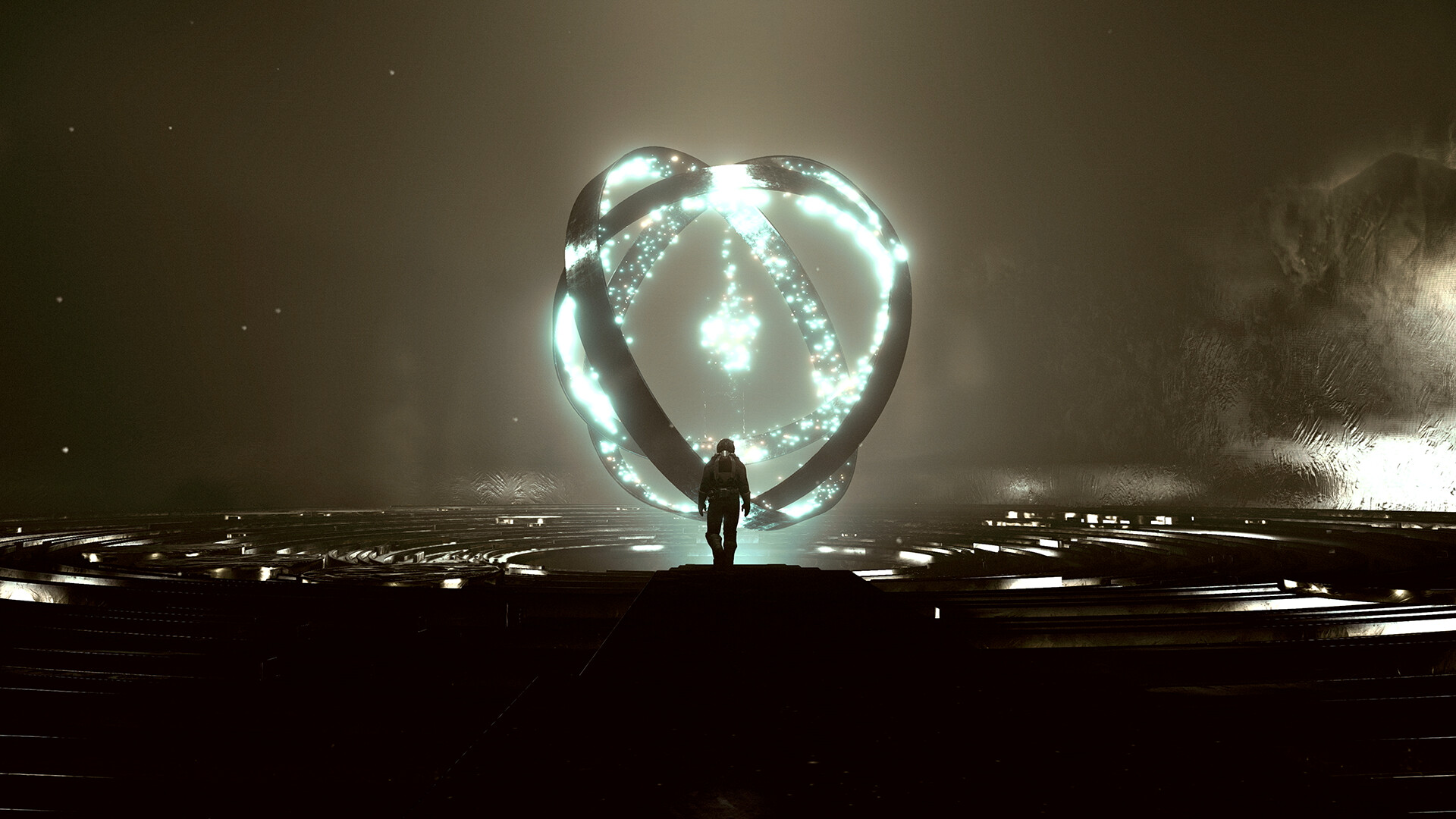
As the project evolved, our work expanded to other Core Engine improvements, such as physics, performance and cross-platform features.
Our team was also able to rapidly expand to meet growing demands for other disciplines, adding QA and Art talent, to build a tailored approach and tackle each deliverable.
One of Bethesda's key challenges was an aggressive launch feature set for the time available. MPG was able to lean into our global team of experts to employ a ‘chase-the-sun’ structure. By using highly experienced developers in Eastern Europe, Western Europe and the Americas, we were able to cover almost 20 hours of hand-to-hand development within a single 24 hour period. This rate of development was supported by our embedded QA team using traditional and automated testing practices to guarantee the integrity of changes as the sun set on some time zones and dawned on the next. This approach was pivotal in getting through the required set of features within the time that was available.

"Starfield excels at the things Bethesda usually excels at; sprawling worlds which you can exist in for anywhere from 50 to 500 hours or more."
— Forbes
Starfield has been met with widespread acclaim, showcasing stunning cinematic graphics, smooth gameplay, and deep customisation.
The data shows impressive results. Bethesda revealed that in December 2023, Starfield officially reached 13 million players, with an average playtime of 40 hours. Of these, approximately 9.5-10.5 million Xbox players, while around 3-4 million are on Steam. Notably, the average playtime Steam ranks within the 88th percentile among popular Steam games similar to Street Fighter 6 and Madden NFL 23.
Starfield also went on to take home the "Golden Joystick Award" as the Xbox Game of the Year award in 2023.
Bethesda praised MPG's flexibility and technical depth, which helped de-risk challenging development issues on many complex systems. The collaboration ensured Starfield exceeded expectations, offering players a breath-taking journey across stars!

The Multiplayer Group (MPG) / MPG is registered in England No. 11254980. 4th Floor 110
High Holborn, London, England, WC1V 6JS.
The Multiplayer Group is a part of